


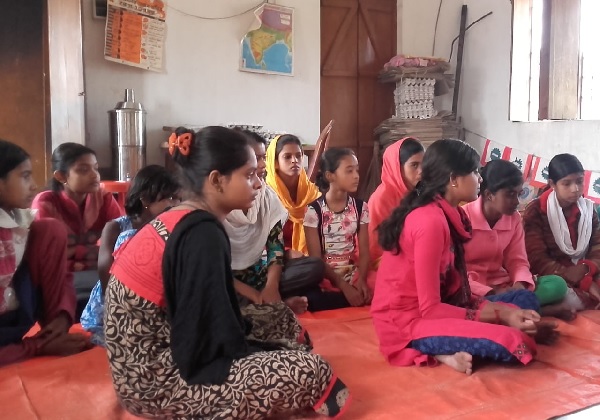
Kindle is a not for profit organization, registered on 21st March, 2021. It is a registered trust under Society Registration Act 1961, registered u/s 12A of the Income Tax and under 80G provision of the Income Tax Act. We are registered under the provision of Corporate Social Responsibility (CSR) from the Ministry of Corporate Affairs, Government of India. It is managed by a group of health, livelihood and environment professionals. In the area of health, thematic areas of work include Public Health, Research and Training. We believe that implementation of health programs and livelihood opportunities should go hand in hand for community development.


Kindle integrates health programs with livelihood opportunities to foster sustainable community development.
Registered under key legal provisions, Kindle upholds transparency and accountability in all its initiatives.
Through evidence-based research and capacity-building programs, Kindle strengthens healthcare and livelihood solutions.
Founded by health professionals, Kindle tackles public health challenges while promoting sustainability.
Empowering our community to champion equity and fairness for all, fostering inclusivity within and beyond our borders.
Our mission is to serve as a platform for fostering experimentation, facilitating constructive discussions, and exchanging knowledge on critical areas of development such as health, livelihood, environment, and related issues.
The organization has forged partnerships with governmental and non-governmental entities, as well as national and international agencies, including its target groups. It collaborates with diverse stakeholders such as donors, academic institutions, corporations, civil societies, media outlets, and various development networks.
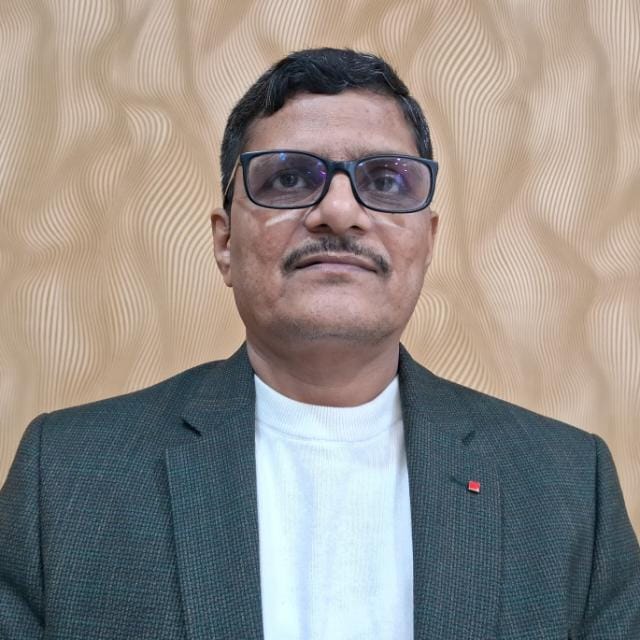
Dr. Arupkumar Chakrabartty is a physician and public health expert with nearly two decades of experience in public health programmes, research, teaching, and social sector initiatives. An MBBS from Calcutta University, he later earned an MPH, MBA, and PhD in Public Health. His career spans collaborations with the World Health Organization (WHO), the World Bank, UNICEF, UNDP, and national health departments. He has led and supervised large‑scale programmes such as RMNCHA (Reproductive, Maternal, Neonatal, Child and Adolescent Health), the National AIDS Control Programme (NACP), the National Tuberculosis Elimination Programme (NTEP), the National Leprosy Eradication Programme (NLEP), and the Pre‑Conception and Pre‑Natal Diagnostic Techniques Act (PC&PNDT Act), all aligned with the National Health Mission (NHM) in India, contributing to strategic planning, policy development, and health systems strengthening across India.
He observed that prevention through education is the most economic and sustainable health intervention—yet an unattended, unstructured domain. While curative medicine treats individuals, health education empowers communities, reduces out‑of‑pocket expenditure, and prevents lifelong suffering. This turning point led him to develop structured, participatory, sustainable tools for grassroots providers. Over a dozen tools—training modules for nutritionists, adolescent counselors, NGO workers, and guidebooks—have directly impacted millions of people and are adopted across national programs, raising awareness on malnutrition, HIV/AIDS, tuberculosis, adolescent health, and several social issues like early marriage, migration, trafficking, and female foeticide.
Dr. Chakrabartty has co‑guided PhD scholars internationally, developed curricula, taught widely, and, through Health Vision and Research and Kindle Trust, implemented community‑based programmes for marginalized populations.
Copyright @ Kindle. All Rights Reserved.